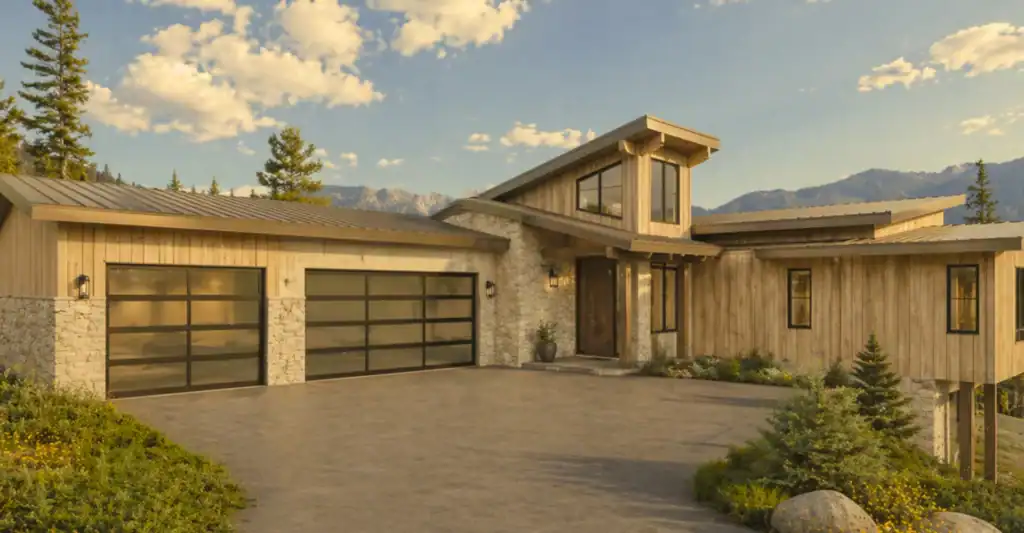
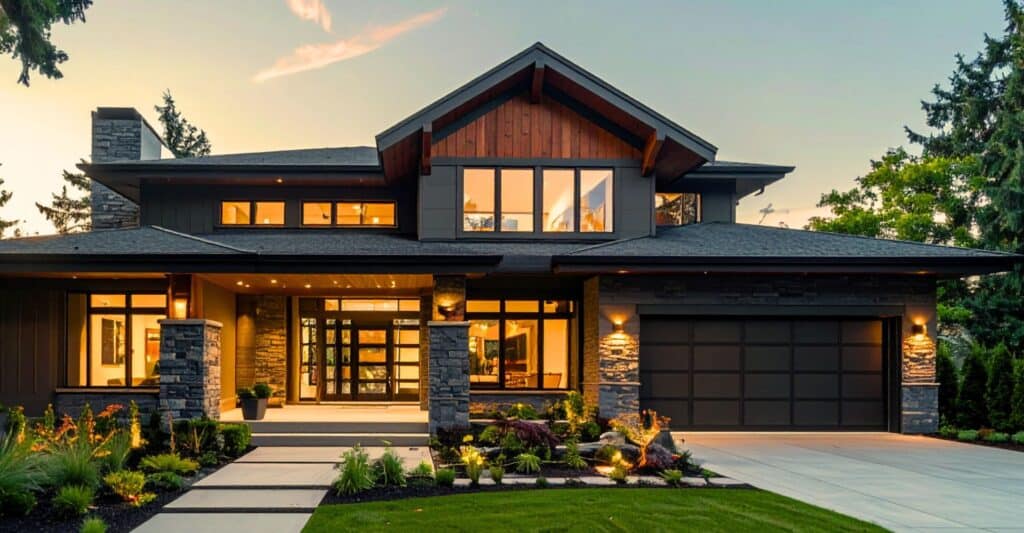
One of the biggest advantages of building in Winter Park, Fraser, Tabernash, Granby, and throughout Grand County is the opportunity to build on properties with incredible views and unique mountain settings. Many of the most desirable homesites feature sloped terrain, mature trees, and elevated building locations that simply aren’t available in flatter environments.
While these lots can create exceptional opportunities, they also require thoughtful planning and experienced site evaluation before construction begins.
Understanding how slope, drainage, access, and site conditions impact the building process can help homeowners make better decisions and avoid costly surprises down the road.
Why Sloped Lots Are Common in Mountain Communities
Mountain terrain is rarely flat. In many areas throughout Grand County, lots may feature varying elevations, steep grades, rocky soils, or challenging access conditions.
While some homeowners initially view a sloped lot as a challenge, it can actually become one of the property’s greatest assets when properly planned and designed.
Benefits of sloped lots often include:
- Better mountain views
- Increased privacy
- Walkout lower levels
- More natural separation from neighboring properties
- Unique architectural opportunities
- Enhanced outdoor living spaces
The key is understanding how the site should influence the home’s design rather than trying to force a design onto the site.
Start with a Thorough Site Evaluation
One of the most important steps before designing a home is understanding the property itself.
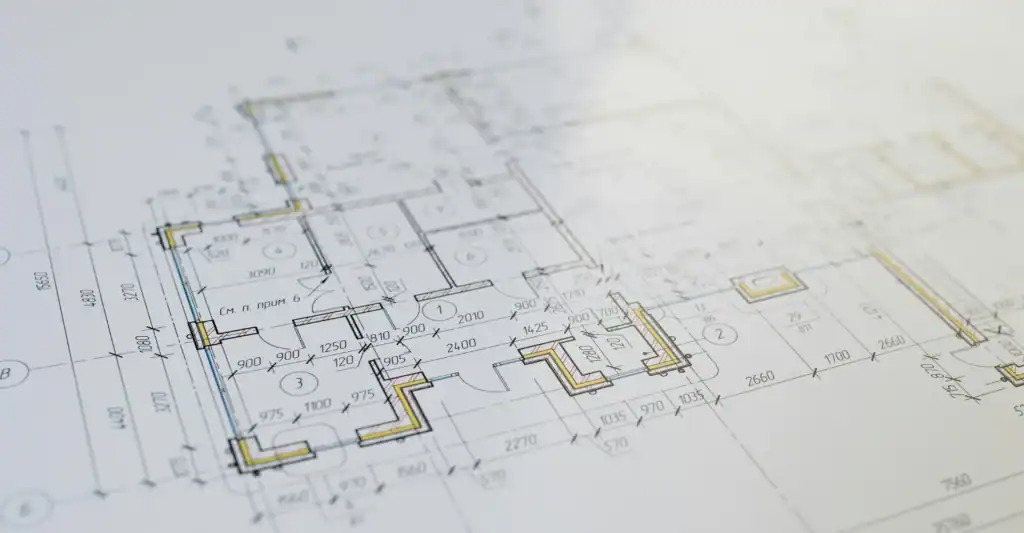
A comprehensive site evaluation helps identify factors that can impact both design and construction, including:
- Existing topography
- Drainage patterns
- Tree locations
- Rock outcroppings
- Utility access
- Driveway locations
- View corridors
- Solar exposure
In many cases, investing in proper site information early can save significant time and money later in the design process.
At Mountain Division Construction, site planning begins long before construction starts. Understanding the lot allows our architectural and construction teams to make informed decisions that improve efficiency throughout the project.
Designing with the Land Instead of Against It
One of the most common mistakes homeowners make is selecting a home design before fully understanding the lot.
Every mountain property is different. A design that works perfectly on one site may require significant modifications on another.
By designing with the terrain rather than against it, homeowners can often:
- Reduce excavation costs
- Minimize retaining walls
- Improve drainage
- Preserve natural features
- Enhance views
- Create more efficient floor plans
This is one of the advantages of a design-build approach. When architects and builders collaborate from the beginning, design decisions can be made with both aesthetics and construction realities in mind.
Understanding Excavation and Site Costs
The steeper the lot, the more important site planning becomes.
Excavation requirements can vary dramatically depending on:
- Slope conditions
- Soil composition
- Rock removal requirements
- Foundation design
- Driveway access
- Utility routing
Mountain lots often require specialized excavation and grading strategies to create stable building pads while managing drainage and preserving the natural landscape.
These factors can significantly influence project budgets, making early evaluation essential.
Drainage Is Critical in Mountain Construction
Water management is one of the most important considerations when building on a sloped lot.
Without proper planning, water can create issues such as:
- Erosion
- Foundation damage
- Ice buildup
- Drainage problems
- Landscaping challenges
Effective site planning considers how water naturally moves across the property and incorporates drainage solutions that protect both the home and the surrounding land.
Proper grading, drainage systems, and foundation design all play an important role in long-term performance.
Driveway Access and Construction Logistics
A beautiful mountain lot still needs to be accessible.
Driveway design often becomes a critical part of the planning process, particularly in areas that receive significant snowfall throughout the winter.
Factors to consider include:
- Driveway slope
- Snow removal access
- Emergency vehicle access
- Construction equipment access
- Material deliveries
What may seem like a simple driveway can have a significant impact on both construction costs and long-term usability.
Preserving Trees and Natural Features
Many homeowners choose mountain properties because of their natural surroundings.
Protecting mature trees, rock formations, and existing site features often requires careful planning before design begins.
A thoughtful site plan can help balance:
- Home placement
- View opportunities
- Tree preservation
- Outdoor living areas
- Construction access
The goal is to create a home that feels integrated into the landscape rather than imposed upon it.
Why Local Experience Matters
Building on a mountain lot requires more than construction knowledge. It requires understanding how mountain terrain, weather, snow loads, drainage, permitting requirements, and construction logistics all work together.
As a local design-build company serving Winter Park and Grand County, Mountain Division Construction brings architecture, planning, permitting, and construction together under one roof. This integrated approach helps identify opportunities and challenges early, creating a smoother path from concept to completion.
Making the Most of Your Mountain Property
A sloped mountain lot can provide some of the most rewarding building opportunities in Colorado. With proper site evaluation, thoughtful design, and experienced project planning, these properties can deliver exceptional views, enhanced privacy, and homes that feel perfectly connected to their surroundings.
The most successful projects begin with understanding the land first and designing around its unique characteristics.
If you’re considering building on a mountain lot in Winter Park, Fraser, Tabernash, Granby, or elsewhere in Grand County, early planning and local expertise can make all the difference.