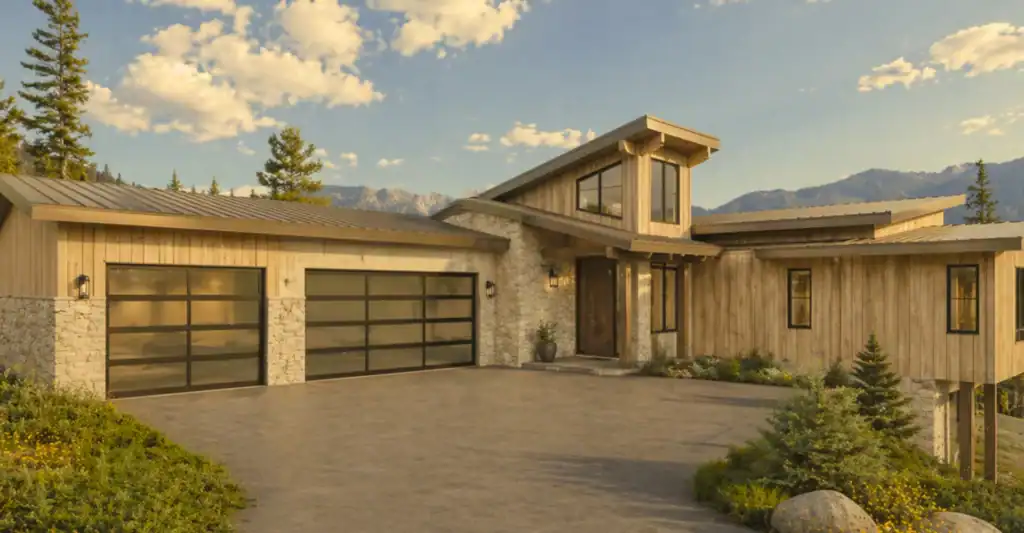
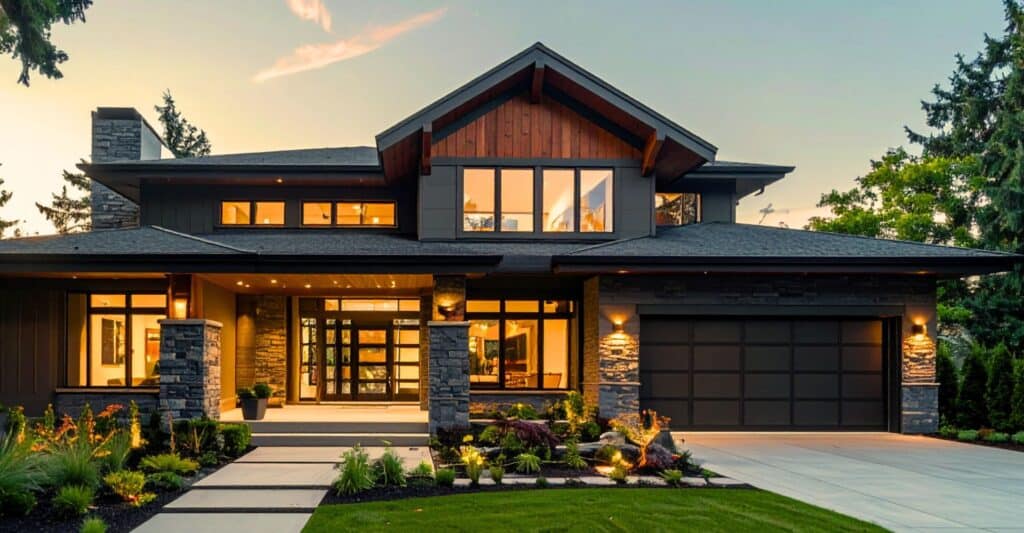
Building a home in the Colorado mountains comes with unique challenges, and few are more important than snow. In Winter Park, Fraser, Tabernash, and throughout Grand County, heavy snowfall is a normal part of life. While snow-covered roofs create the mountain-home aesthetic many homeowners love, they also place significant demands on a home’s structure and design.
Understanding snow loads early in the planning process can help homeowners make better decisions, avoid costly redesigns, and ensure their home is built to perform for decades.
What Is a Snow Load?
A snow load refers to the weight of accumulated snow that a structure must safely support. Building codes establish minimum snow load requirements based on location, elevation, and historical weather data.
In mountain communities like Winter Park and Grand County, snow load requirements are significantly higher than in many other parts of Colorado. What works in Denver or the Front Range may not be appropriate for a home built at higher elevations.
Because of these conditions, snow loads influence many aspects of a home’s design long before construction begins.
How Snow Loads Affect Home Design
Snow loads impact much more than the roof itself. They influence structural engineering, material selections, drainage strategies, and even the overall shape of the home.
Some of the most important considerations include:
- Roof design and pitch
- Structural framing requirements
- Beam and column sizing
- Foundation loads
- Snow shedding and accumulation zones
- Exterior drainage planning
Properly addressing these factors early helps create a safer, more durable home while reducing the likelihood of future maintenance issues.
Roof Design Matters
One of the most visible impacts of snow loads is roof design.
Steeper roof pitches can help snow slide off more efficiently, while flatter roof sections may require additional structural support. Complex rooflines can create areas where snow drifts and accumulates unevenly, increasing localized loads on the structure.
Designing a mountain home often requires balancing aesthetics with performance. The goal is to create a home that looks beautiful while effectively managing Colorado’s winter conditions.
Structural Engineering for Mountain Conditions
Every custom home requires structural engineering, but mountain homes often demand a higher level of analysis.
Engineers evaluate expected snow loads and design structural systems capable of supporting those loads safely. This may influence:
- Roof framing systems
- Engineered trusses
- Steel beams
- Load-bearing walls
- Foundation design
These decisions are critical to long-term performance and should be considered from the earliest stages of design.
Snow Management Around the Home
Snow affects more than just the structure itself.
Where snow falls from roofs and where it accumulates around the home can impact:
- Entrances
- Walkways
- Decks
- Driveways
- Mechanical equipment
- Drainage systems
Thoughtful planning helps ensure snow is directed away from key areas while maintaining safe access throughout the winter months.
Why Local Experience Matters
Building in Winter Park and Grand County is different from building in many other parts of Colorado.
Local knowledge plays an important role in understanding:
- Snow load requirements
- Site-specific conditions
- Local building regulations
- Engineering expectations
- Long-term performance considerations
An experienced mountain builder understands how these factors interact and can help identify potential challenges before they become costly problems.
Designing for the Long Term
A well-designed mountain home should do more than meet minimum code requirements. It should be built to withstand years of snow, wind, temperature fluctuations, and changing weather conditions.
By considering snow loads from the very beginning, homeowners can create a home that is not only beautiful but also durable, comfortable, and prepared for life in the Colorado mountains.
Planning a Mountain Home?
If you’re considering building in Winter Park, Fraser, Tabernash, Granby, or elsewhere in Grand County, Mountain Division Construction can help guide the process. Our integrated design-build approach brings architecture, engineering coordination, and construction expertise together under one roof, helping homeowners navigate the unique challenges of mountain construction with confidence.