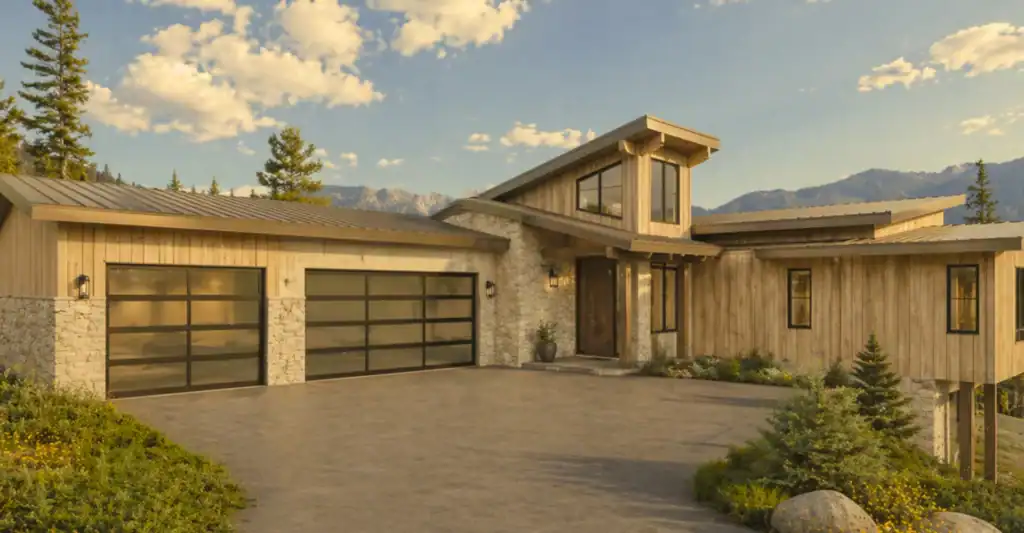
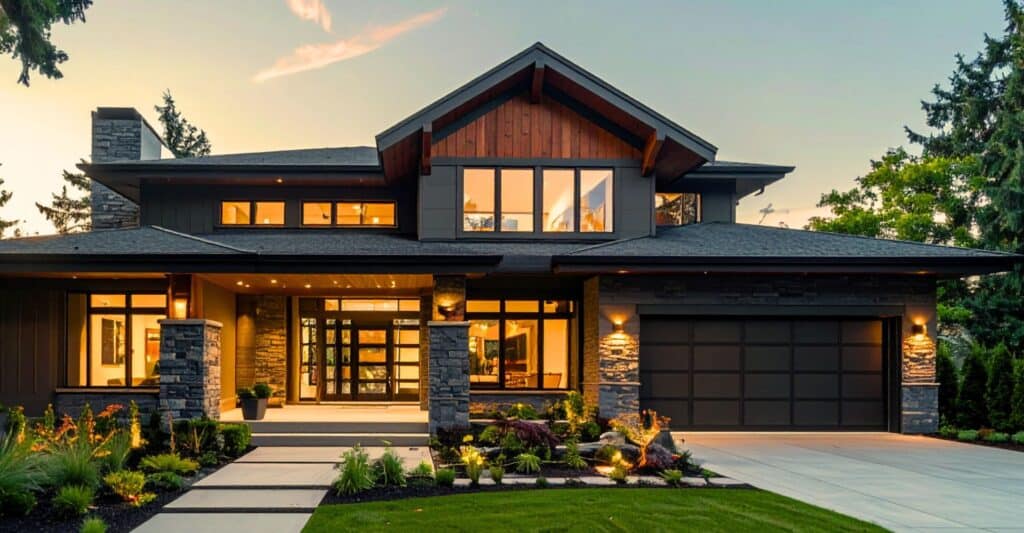
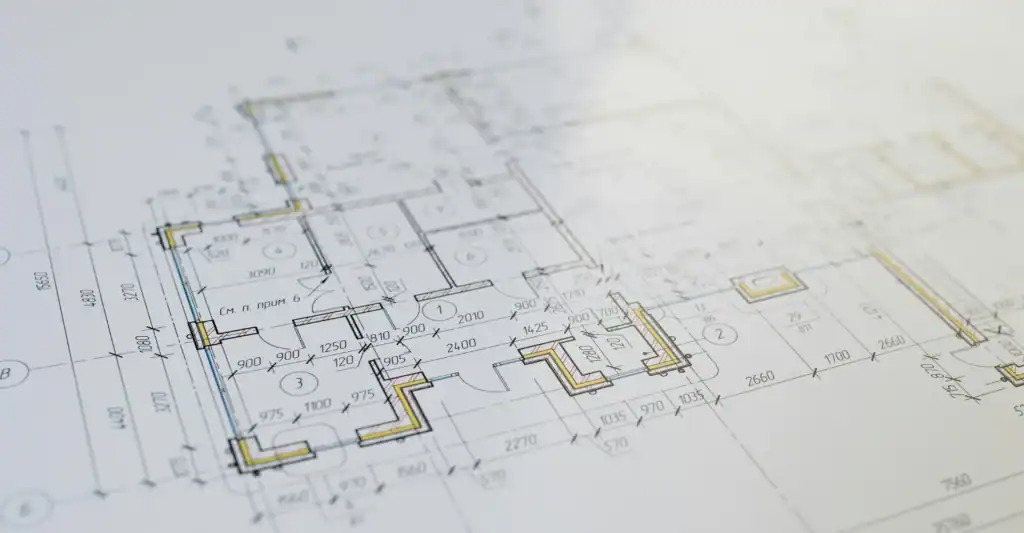
Building a home in Winter Park, Fraser, Tabernash, Granby, or elsewhere in Grand County comes with a unique set of opportunities and challenges. While mountain living offers incredible views, fresh air, and access to the outdoors, it also means designing for long winters, significant temperature swings, high UV exposure, and demanding weather conditions.
Energy efficiency in a mountain home isn’t simply about reducing utility costs. It’s about creating a home that feels comfortable year-round, performs reliably in every season, and is designed to thrive in the Colorado mountains.
Why Energy Efficiency Matters in Mountain Homes
Mountain homes experience environmental conditions that differ significantly from homes built at lower elevations. Cold winters, dry air, strong sun exposure, and dramatic day-to-night temperature changes can all impact comfort and energy use.
A thoughtfully designed home helps maintain consistent indoor temperatures, reduce energy consumption, and improve overall livability. When energy efficiency is considered from the beginning of the design process, homeowners often benefit from lower operating costs, improved comfort, and a home that performs better over the long term.
It Starts with the Building Envelope
The most energy-efficient homes begin with a strong building envelope.
The building envelope includes everything that separates the conditioned interior from the outdoor environment:
- Exterior walls
- Roof systems
- Foundations
- Windows and doors
- Insulation
- Air barriers
A properly designed building envelope helps keep warm air inside during the winter and unwanted heat outside during the summer. It also helps reduce drafts, improve comfort, and support the performance of the home’s heating system.
In mountain construction, investing in the building envelope often delivers some of the greatest long-term benefits.
Air Sealing: One of the Most Important Details
Even the best insulation can only do so much if air is constantly leaking in and out of the home.
Small gaps around windows, doors, framing connections, and utility penetrations can allow conditioned air to escape while letting cold air enter. These leaks often create drafts, uneven temperatures, and unnecessary strain on heating systems.
Proper air sealing helps:
- Improve indoor comfort
- Reduce energy consumption
- Minimize drafts
- Improve HVAC performance
- Maintain more consistent temperatures throughout the home
When combined with quality insulation, air sealing becomes one of the most effective ways to improve energy performance.
Choosing Windows for Mountain Living
Windows play a major role in both the appearance and performance of a mountain home.
Homeowners often prioritize large windows to capture mountain views and natural light, but window performance is just as important as aesthetics. The right windows help retain heat during the winter while maximizing comfort throughout the year.
Important considerations include:
- Energy-efficient glazing
- Window orientation
- Solar heat gain
- Condensation resistance
- Frame performance
- Overall insulation value
In many cases, proper window placement can be just as important as the window itself. Thoughtful design allows homeowners to take advantage of natural light and mountain views while supporting the home’s overall energy performance.
Heating and Cooling at Elevation
Heating and cooling systems should be designed around the way a mountain home will actually be used.
In Grand County, heating is typically the primary focus. Long winters and cool evenings mean homeowners spend much more time heating their homes than cooling them.
Many mountain homes do not have traditional air conditioning systems. However, some homeowners choose to incorporate cooling for comfort during warmer summer days. Depending on the home and lifestyle, mini-split systems can be an efficient option for providing targeted cooling without the need for a full ducted system.
At Mountain Division Construction, we are particularly fond of in-floor radiant heating. Radiant heat provides a comfortable and consistent warmth that is especially well-suited to mountain living. Warm floors on a winter morning, even heat distribution throughout the home, and quiet operation all contribute to a higher level of comfort.
Taking Advantage of the Colorado Sun
One of the advantages of building in the mountains is access to abundant sunshine throughout the year.
With thoughtful design, solar gain can be used to improve comfort and reduce heating demands during colder months. Factors such as window placement, roof overhangs, room orientation, and seasonal sun angles can all influence how a home captures and manages natural heat.
When architecture and construction are considered together, homeowners can benefit from both beautiful natural light and improved energy performance.
Why Design-Build Matters
Energy efficiency is not determined by a single product or system. It is the result of hundreds of decisions working together throughout the design and construction process.
Architecture, insulation, windows, HVAC systems, site orientation, and material selections all influence how a home performs.
As a design-build company with in-house architectural services, Mountain Division Construction considers these factors from the very beginning. Our architects, project managers, and construction professionals collaborate throughout the process to help align performance, comfort, aesthetics, and budget.
This integrated approach often leads to better decision-making, fewer surprises, and homes that perform exceptionally well in mountain environments.
Building for Comfort and Long-Term Performance
The best mountain homes do more than look beautiful. They feel comfortable on the coldest winter days, perform efficiently through changing seasons, and are designed to last for generations.
By focusing on insulation, air sealing, window performance, thoughtful heating strategies, and an integrated design-build process, homeowners can create a home that is both energy-efficient and exceptionally comfortable.
For those building in Winter Park and throughout Grand County, energy efficiency should be a foundational part of the conversation from day one.
At Mountain Division Construction, we believe the most successful homes are designed not only for the views outside, but for the comfort, performance, and quality of life inside.